To improve your speaking skills, it's really important that you study and practice. Speaking more is the key to speaking better!
It's also important to know your current level. Our AI Mini Mock test allows you to see an estimated score for all four skills, including detailed AI feedback on Speaking and Writing. This quick assessment helps you quickly identify your strengths and areas for improvement. Read the article to find out more and start your AI Mini Mock test today!
Here are some general tips for improving your speaking:
- Speak with friends, family, or to yourself in the mirror. Choose a topic and try to speak about it, or think of possible IELTS questions and record yourself answering them. You can do this in our Practice area. Choose 'Practice' from your sidebar menu. Select Take a mock test to practice the complete Speaking exam. You can also choose Practice for practice of just Speaking Part 1, 2 or 3. Listen to the examiner asking the question and record your response. You can listen back to your answers in the History section.
- If you want AI scoring and feedback for any Speaking practice you do/have done, you can buy a Gateway or Advantage FlexCheck AI package. You will then receive feedback on your work, including anything saved on your History page, until your IELTS test day (on IELTS FLEX, you can also get tutor feedback on your Speaking tasks by taking a live mock Speaking test with one of our IELTS experts).
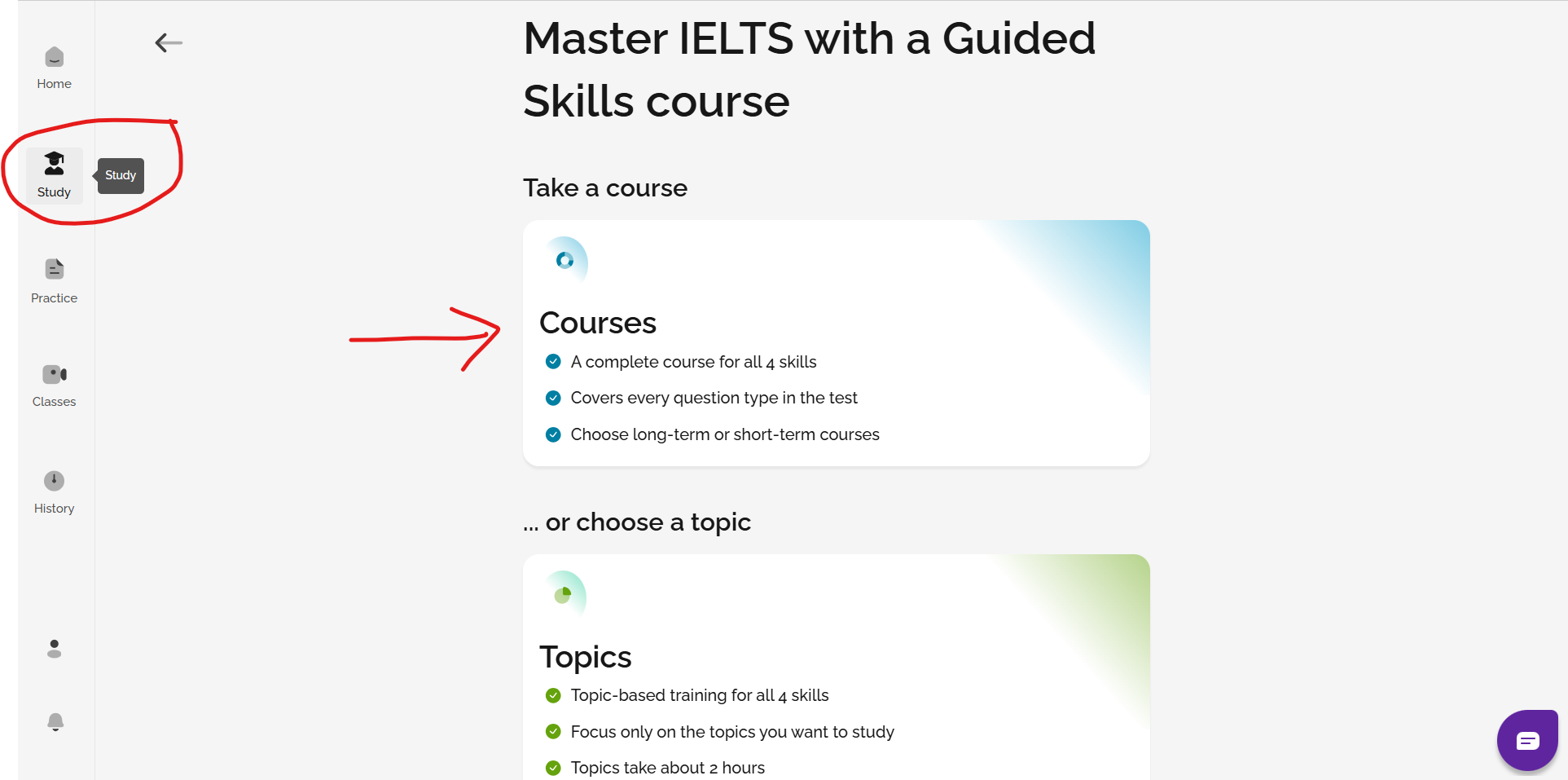
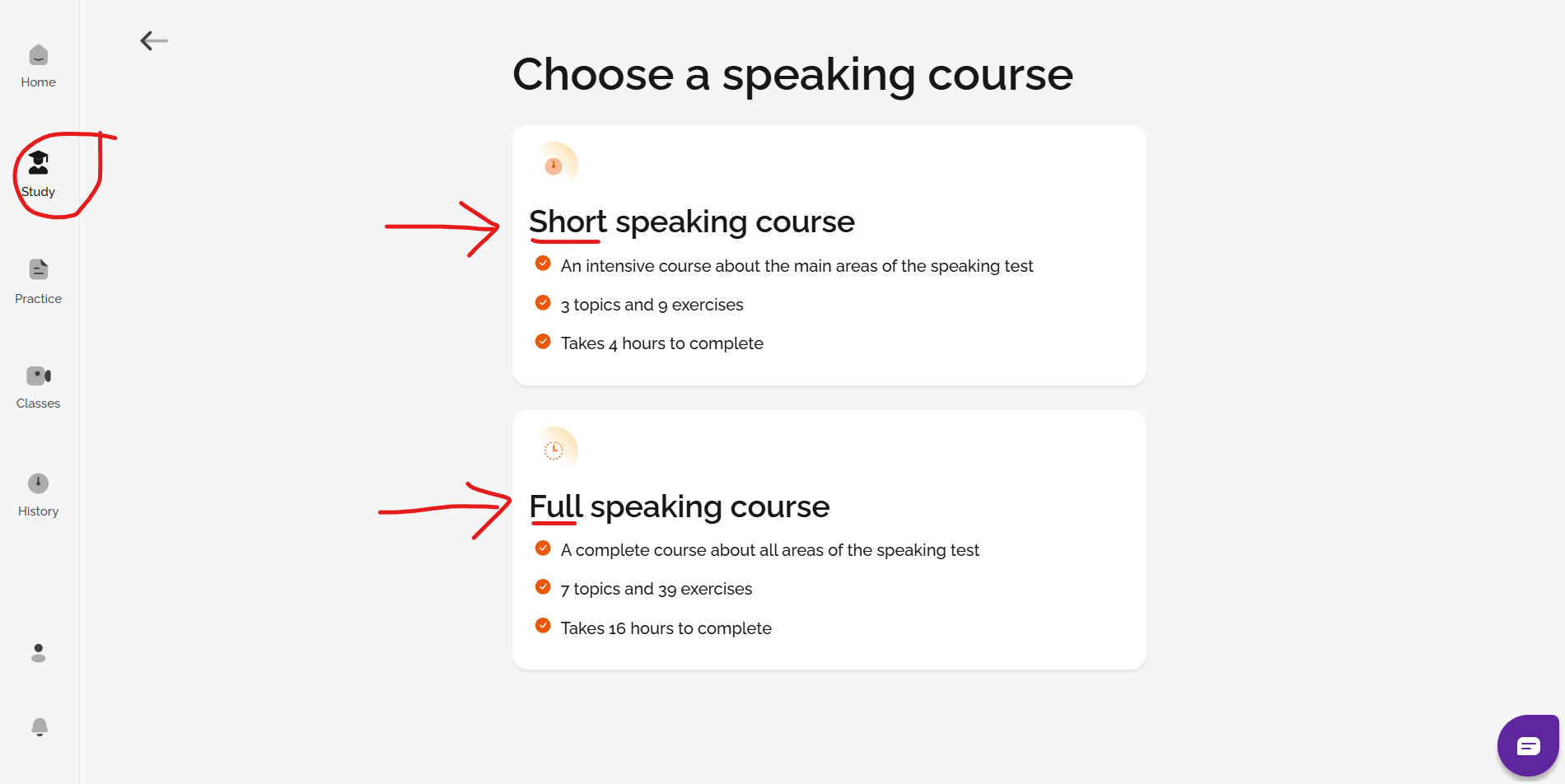
- Keep a vocabulary notebook. There are common topics in different parts of the IELTS Speaking test. You will never know before the test which topic you are going to get, but make sure you can talk about yourself, your job and studies, your hobbies, where you live and recount important life experiences - a great holiday, a memorable celebration, a favourite book or film, for example. Make sure you know the vocabulary you need to talk about these things. Take a course in Speaking to learn about common topics in IELTS, useful phrases and what is expected. Choose 'Study' from your sidebar menu, select Course and then choose Speaking. You can choose the Full speaking course or the Short speaking course. You can watch classes, do training, and do practice on each part.
- Don't worry if you pause or make a mistake when speaking. It is very common even for native speakers to start and then stop, or change direction, or forget a word, too. Learn useful phrases to change topic, buy time while you think, or correct yourself, to avoid too much hesitation. These will all help you sound more natural on test day.
- Don't try to memorise full answers. Firstly, because you don't know what questions you are going to get in the test, but most importantly because your speech must sound natural. Examiners are very well-trained to recognise if you are repeating a memorised answer. Be natural!
- Don't worry about having an accent. As a speaker of another first language, it's normal that you will have some accent when you speak English. Don't worry about this. As long as your pronunciation is clear enough that you can be easily understood, you do not have to sound like a native speaker.
The best place to learn all about the Speaking test on our site is in the Study section. Choose 'Study' from your sidebar menu, select Course, and then choose Speaking. You can choose the Full speaking course or the Short speaking course.
See also: How can I study on the site?
Was this article helpful?
That’s Great!
Thank you for your feedback
Sorry! We couldn't be helpful
Thank you for your feedback
Feedback sent
We appreciate your effort and will try to fix the article